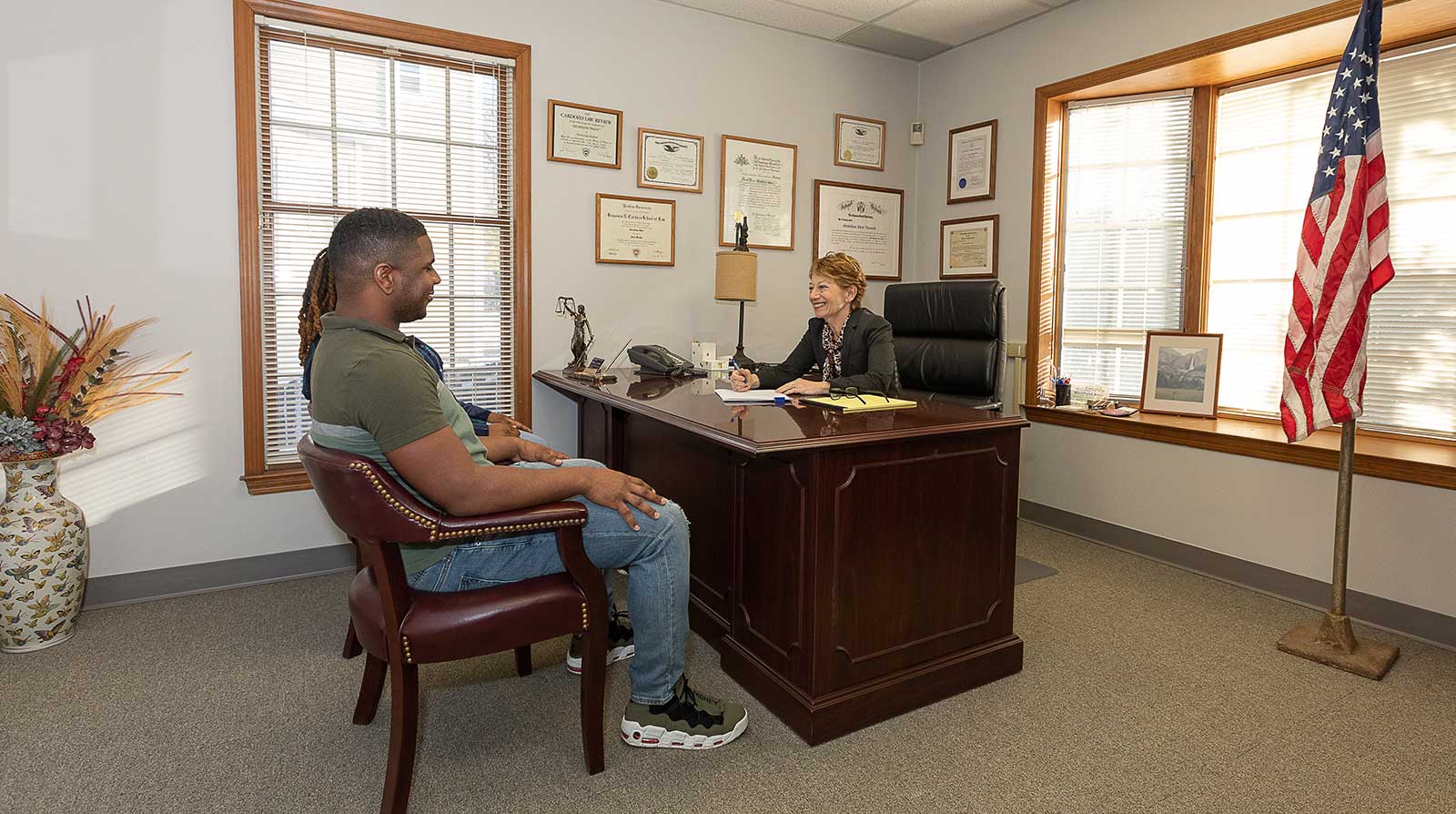
What is an Immigration Court Bond Hearing?
An immigration bond hearing is a proceeding before an immigration judge where you can request release from detention while your immigration case is pending. The judge has the authority to set, reduce, or deny bond based on whether you pose a flight risk or danger to the community.
Bond hearings are separate from your removal (deportation) hearings. Even if ICE has denied you bond or set a bond amount you cannot afford, you have the right to ask an immigration judge to reconsider. This is called a bond redetermination hearing.
Securing release on bond allows you to fight your immigration case from outside detention, reconnect with family, continue working, and work closely with your attorney to build the strongest possible defense.
Who is Eligible for a Bond Hearing?
- •Individuals detained under INA § 236(a) (non-mandatory detention)
- •Those without serious criminal convictions
- •Asylum seekers who passed credible fear interviews
- •Individuals with strong community ties and family in the U.S.
- •Those who have been detained for prolonged periods
- •Individuals with aggravated felony convictions
- •Those convicted of crimes involving moral turpitude
- •Individuals detained under INA § 236(c) (mandatory detention)
- •Arriving aliens in expedited removal proceedings
- •Those deemed national security threats
Note: Even if subject to mandatory detention, there may be legal challenges available. Consult with an attorney.
The Bond Hearing Process
You must request a bond hearing—it will not be automatically scheduled. You can request a bond hearing in two ways:
- • Orally: Ask the immigration judge at your first master calendar hearing
- • In Writing: Submit a written motion to the immigration court requesting a bond hearing
Important: Request a bond hearing as soon as possible after being detained. The sooner you request it, the sooner you can potentially be released.
The burden of proof is on you to show that you are not a flight risk or danger to the community. Strong evidence is essential to convince the judge to grant bond. Gather:
Community Ties:
- • Family relationships (spouse, children, parents in U.S.)
- • Employment history and job offers
- • Property ownership or lease agreements
- • Community involvement and references
Good Character:
- • Letters of support from family, employers, community
- • Evidence of rehabilitation (if applicable)
- • Clean criminal record or explanation of past issues
- • Proof of compliance with previous court orders
At the bond hearing, you will appear before an immigration judge. The hearing typically includes:
- • Opening statements: Your attorney explains why you should be released on bond
- • Evidence presentation: Submit documents and call witnesses to testify on your behalf
- • Your testimony: You will testify about your ties to the community, family, employment, and why you will appear for future hearings
- • Government's position: The ICE attorney may argue against bond or request a higher amount
- • Judge's decision: The judge will either grant bond (and set an amount), deny bond, or continue the hearing for more evidence
Critical: Having an experienced immigration attorney represent you at the bond hearing significantly increases your chances of success. Judges consider legal arguments and professionally presented evidence more favorably.
If the judge grants bond, they will set a bond amount based on several factors:
- • Strength of community ties
- • Immigration history and prior violations
- • Criminal history (if any)
- • Flight risk assessment
- • Financial resources of the individual and family
Bond Amount Guidelines:
- • Minimum bond: Typically $1,500 (set by regulation)
- • Average bond: $5,000 - $10,000 for most cases
- • Higher bonds: $15,000 - $25,000+ for those with criminal history or weak ties
Once the judge sets a bond amount, the bond must be posted before release. There are two ways to pay:
Cash Bond (Full Amount):
- • Pay the full bond amount to ICE
- • Must be paid by a U.S. citizen or lawful permanent resident
- • Payment via money order, cashier's check, or U.S. bonds
- • Refundable when case concludes (if all hearings attended)
Immigration Bond Company:
- • Pay 15-20% premium to bond company
- • Bond company posts full amount with ICE
- • Faster process, less upfront money required
- • Premium is non-refundable
Release Timeline: After bond is posted, release typically occurs within 24-72 hours, depending on the detention facility's processing time.
What Judges Consider When Setting Bond
- • Family ties in the U.S.
- • Length of residence
- • Employment history
- • Property ownership
- • Prior immigration violations
- • Likelihood of appearing for hearings
- • Criminal history and convictions
- • Nature and severity of crimes
- • Evidence of rehabilitation
- • Time since last offense
- • Character references
- • Threat assessment
- • Strength of legal claims
- • Eligibility for relief from removal
- • Likelihood of winning the case
- • Pending applications (asylum, adjustment, etc.)
- • Legal status history
- • Compliance with immigration laws
How Your Attorney Prepares Your Bond Motion
A well-crafted bond motion is critical to securing your release. Your immigration attorney will draft a detailed legal document that presents your case in the most favorable light, addresses the judge's concerns about flight risk and danger to the community, and demonstrates why you deserve to be released on bond.
1. Legal Argument Section
- • Citation of relevant immigration law and case precedents
- • Explanation of your statutory eligibility for bond
- • Constitutional arguments (due process, prolonged detention)
- • Burden of proof standards and how you meet them
2. Factual Background
- • Your immigration history and how you entered the U.S.
- • Circumstances of your detention and arrest
- • Length of time you've lived in the United States
- • Family relationships and community connections
3. Evidence of Community Ties
- • Detailed family tree showing U.S. citizen/LPR relatives
- • Employment history with letters from employers
- • Home ownership or stable housing arrangements
- • Children's school records and medical needs
- • Religious and community organization involvement
Family & Personal Documents
- • Birth certificates of U.S. citizen children
- • Marriage certificate (if applicable)
- • Proof of spouse's U.S. citizenship or legal status
- • Medical records showing health needs or family care responsibilities
Financial & Employment Evidence
- • Pay stubs and tax returns
- • Employment verification letters
- • Bank statements showing financial stability
- • Property deeds or lease agreements
Character & Rehabilitation
- • Letters of support from family, friends, employers, clergy
- • Evidence of rehabilitation (if criminal history exists)
- • Certificates of completion for programs, classes, treatment
- • Community service or volunteer work records
Two-Part Test for Bond Eligibility
The immigration judge must determine whether you are (1) a flight risk and (2) a danger to the community. The government bears the burden of proving you are a flight risk, while you must prove you are not a danger to the community.
Flight Risk Analysis
The judge evaluates whether you are likely to appear for future immigration hearings. Your attorney's motion must demonstrate:
- • Strong family ties: U.S. citizen spouse, children, or parents who depend on you
- • Stable employment: Long-term job with supportive employer willing to testify
- • Community roots: Years of residence, property ownership, church membership
- • Clean immigration history: No prior deportations, voluntary departures, or failures to appear
- • Pending relief: Strong asylum claim, adjustment application, or other path to legal status
Danger to Community Analysis
The judge assesses whether releasing you poses a threat to public safety. Your motion must address:
- • Criminal history explanation: Context, circumstances, and time elapsed since any convictions
- • Evidence of rehabilitation: Completion of programs, counseling, treatment, or education
- • Character witnesses: Letters from employers, clergy, family attesting to good character
- • No violent offenses: Emphasis on non-violent nature of any past incidents
- • Positive contributions: Community service, volunteer work, supporting family members
Factors That Strengthen Your Bond Motion
✓ Family Hardship
- • Sole financial provider
- • Caring for sick/elderly relatives
- • Primary caretaker of young children
- • Spouse or children with medical needs
✓ Length of Detention
- • Prolonged detention (6+ months)
- • Constitutional due process concerns
- • Indefinite detention arguments
- • Comparison to similarly situated individuals
✓ Strong Legal Case
- • Pending asylum application
- • Adjustment of status eligibility
- • Cancellation of removal prospects
- • Weak government case for removal
⚖️ Judicial Discretion:Even if you meet all the legal requirements, the immigration judge has discretion to grant or deny bond. An experienced attorney knows how to present your case persuasively, anticipate the judge's concerns, and craft legal arguments that maximize your chances of success. The quality of your bond motion and supporting evidence can make the difference between release and continued detention.
Frequently Asked Questions
Get Expert Help with Your Bond Hearing
Navigating the immigration court bond process is complex. Having an experienced attorney can make the difference between remaining in detention and securing your release. We have successfully represented hundreds of clients in bond hearings, helping families reunite and individuals fight their cases from freedom.